Capabilities

Building renovation services in New York City

The work is grouped into systems rather than listed as trades, because that is how a renovation job is bought and built. Every system below is self-performed.

01

Parking Garage Systems

A parking deck is the hardest working concrete a building owns. It carries traffic, road salt, standing water and thermal movement at once, and chlorides work down through the slab to attack the reinforcement inside it. Left alone that stops being a maintenance item and becomes a structural one. We take the whole system, because a garage that is repaired but not coated is a garage that will be repaired again: the concrete, the joints, the membrane and the wearing surface are one job, sequenced bay by bay so the structure keeps operating throughout. Large parking garage renovation is programmed the same way, level by level, so a structure of any size keeps earning while it is put right.
Full details
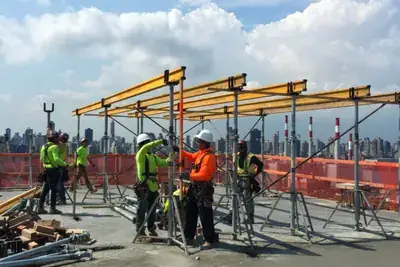
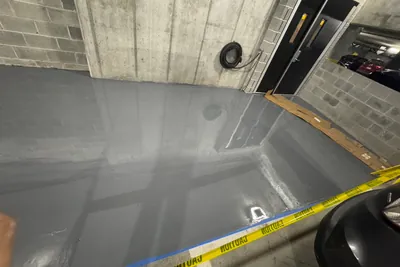
Garage deck coating, parking garage work in New York
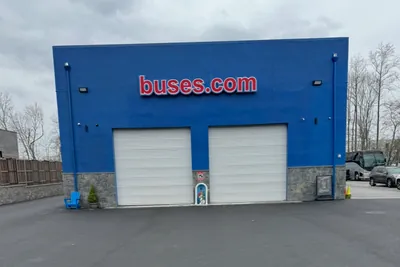
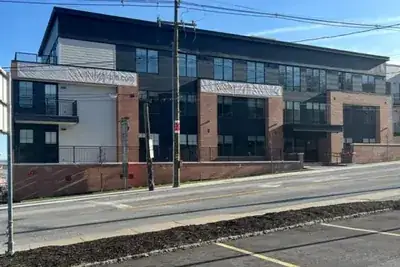
Garage building before, parking garage work in New York
Garage building after, parking garage work in New York
  • Structural Concrete RepairsRepairs to concrete that carries load, engineered before it is opened up: what is wrong, what has to be shored while it is out, and what the repaired section has to carry once it is back in service.
  • Parking Deck RenovationFull deck programs taken level by level: sounding the slab to map delamination, removing unsound concrete, treating or replacing reinforcement, rebuilding the section and re establishing the wearing surface above it. Phased so the structure stays open and in revenue while it is repaired.
  • Expansion Joint SystemsFailed joints cut out, the blockout rebuilt to sound concrete and a new joint system installed to suit the movement and the traffic it carries. A garage moves with temperature, and a joint that cannot take that movement becomes the leak.
  • Traffic CoatingsVehicular traffic coatings applied over prepared decks: a base coat that bridges hairline cracking, a wear coat, and aggregate broadcast where the surface needs grip. The coating carries tire scrub and turning loads as well as water.
  • Urethane Deck CoatingsElastomeric urethane deck systems for surfaces that must stay flexible and waterproof under traffic. Urethane keeps its elongation cold, which is what lets it stay bonded across a crack that opens and closes through the year.
  • Waterproof Traffic MembranesMembrane systems that make the deck itself the waterproofing layer, detailed through drains, columns, curbs and joints. Water stopped at the driving surface never reaches the reinforcement or the cars parked below.
  • Concrete Slab RepairsSlab areas removed to sound material and rebuilt, full depth where the deterioration goes through and partial depth where it does not, with the reinforcement exposed, cleaned and continuous before anything is placed.
  • Spall RepairsSpalled concrete cut back to a square edge, corroded steel cleaned or replaced, and the section rebuilt with a repair mortar matched to the exposure. Feathered edges fail, so repairs are cut to a shoulder the material can key into.
  • Crack InjectionStructural cracks injected with epoxy to restore monolithic behavior, or with polyurethane resin where the crack is live and the requirement is to stop water rather than to bond.
02

Local Law 11 / FISP

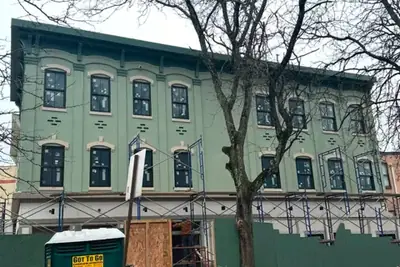
Local Law 11, the Facade Inspection & Safety Program (FISP), puts every New York City building taller than six stories on a five-year facade inspection cycle, examined by a Qualified Exterior Wall Inspector and filed with the DOB as Safe, SWARMP or Unsafe. An Unsafe finding starts a clock: protection goes up immediately and repairs follow on a deadline. A SWARMP condition must be corrected before the next cycle closes, or it becomes the next report's problem, with monthly penalties and a mandatory sidewalk shed waiting behind a missed filing. We carry the whole sequence as one company: the access and probes the engineer needs for the survey, our own scaffold, hoisting and sidewalk bridging, the masonry, stone, lintel and sealant repairs the report calls for, and the paperwork that clears the violation the filing generated. Because the access and the repair are the same crews, the scaffold goes up when the work is ready and comes down the day the condition is corrected, not a season later.
Full details
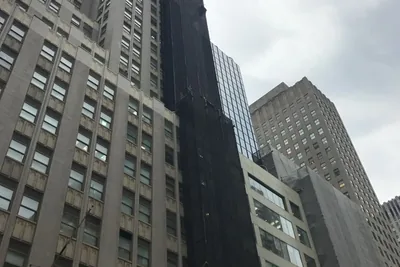
Facade netted elevation midtown, facade renovation, Manhattan, NY
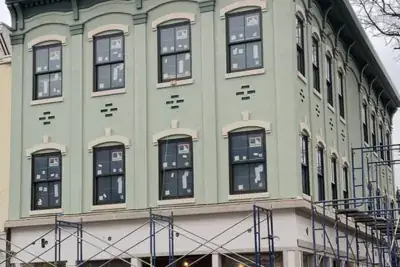
Facade victorian scaffold, facade renovation in New York
Facade victorian corner, facade renovation in New York
  • Facade InspectionsAccess, probes and openings provided so the inspecting engineer can make a close up examination and record the elevation properly, with the protection needed to work over an occupied street.
  • Local Law 11 ComplianceThe FISP cycle carried end to end: supporting the inspection, correcting what the report identifies, and closing out the filing so the building re enters the cycle compliant rather than carrying an open condition.
  • FISP RepairsThe corrective work a facade report calls for, from isolated unsafe conditions through to a full elevation. SWARMP conditions are programmed to be corrected before the next cycle rather than left to be re filed.
  • Brick ReplacementCracked, spalled and displaced brick cut out, toothed in and rebuilt. Replacement brick is matched for size, color, texture and bond so the repair reads as part of the wall rather than a patch on it.
  • Brick PointingDeteriorated joints cut out to sound mortar and repointed with a mix matched to what is already in the wall. Mortar softer than the brick is what protects the brick; harder mortar makes the masonry take the movement instead.
  • Masonry RepairsBlock, stone and brick work across the elevation, including rebuilding, repointing, anchorage and the through wall flashing that decides whether a repair lasts five years or twenty.
  • Lintel ReplacementCorroded lintels and shelf angles cut out and replaced. Rusting steel expands and pushes the masonry above it out of line, so the wall is rebuilt around new steel rather than patched over the cause.
  • Stone RepairsCut stone, sills, copings and banding repaired, pinned or replaced, with replacement stone matched to the face beside it and set with the correct anchorage and joint treatment.
  • Facade SealantsPerimeter and control joint sealants across the elevation, at windows, copings, reglets and material changes, sized and backed for the movement each joint actually sees.
  • Wall RepairsBulged, cracked and displaced sections of wall taken down and rebuilt, with the anchorage and through wall flashing reinstated the way the assembly needs them.
  • Exterior RenovationWhole elevations brought back rather than patched: masonry, stone, steel, sealants and coatings addressed as one program so the building reads as finished from the street.
  • Building Envelope RepairsThe envelope treated as a single system, roof to grade. Water rarely enters where it appears inside, so the roof, parapet, wall and openings are worked together and the transitions between them detailed.
  • Roofing RepairsRoof repair taken together with the parapet, coping and the wall below rather than stopping at the roof edge, because that transition is where facade water usually starts.
03

Waterproofing Systems

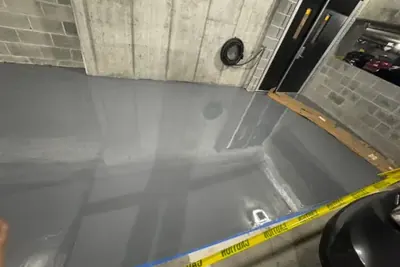
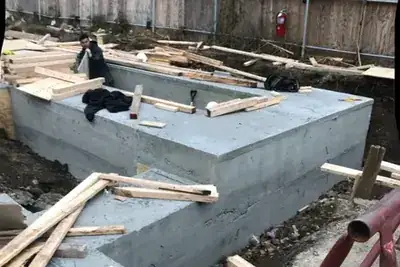
Water is what turns a maintenance item into a structural one, and it very rarely enters a building at the point where the stain appears inside. That is why chasing the symptom wastes money. We work the roof, the parapet, the wall below it and the structure below grade together, and we detail the transitions between them, because transitions are where assemblies actually fail. The membrane and its terminations go in as the structure goes back together, which is the only point at which they can be done properly. Thermal protection is installed on the same principle and over the same range, from the rooftop down to the basement, because insulation and waterproofing share the same substrate, the same details and the same failure points, and separating them across two trades is how gaps get left behind a finished wall.
Full details
Vault underground, vault work in New York
Vault concrete box, vault work in New York
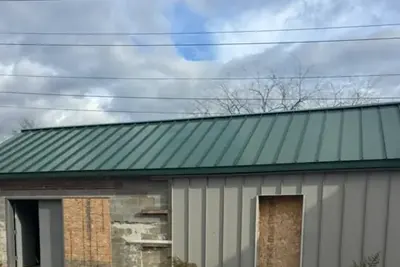
Building metal green roof, project building in New York
  • WaterproofingMembranes, sealants and flashing at decks, walls, foundations and below grade space. The detailing at terminations and transitions is where the work is; the field of a membrane rarely fails on its own.
  • Thermal Protection Systems, Rooftop Through BasementInsulation and vapor control installed as part of the waterproofing assembly, from the roof deck down to the foundation wall. Water and heat move through a building envelope the same way, so the barrier that stops one is detailed to handle the other rather than being added afterward.
  • Traffic MembranesWaterproofing membranes rated for vehicular traffic, applied over prepared decks and detailed through every penetration, so the surface that carries the cars is the surface that stops the water.
  • Waterproof CoatingsApplied coating systems for decks, walls and plaza areas, specified to the exposure and the substrate rather than to a catalog page.
  • Foundation WaterproofingBelow grade waterproofing at foundation walls, footings and slabs, with drainage, protection board and terminations detailed as the structure goes back together.
  • Joint WaterproofingMovement joints, construction joints and transitions waterproofed with systems sized for the movement, because a joint that is sealed rigid simply moves the failure a few inches along.
  • SealantsSealant work across the building, from facade joints to deck and plaza work, with joint preparation, backing and tooling treated as part of the installation.
  • Joint SealantsWorking joints raked out, backed with the correct rod and sealed with a material sized for the movement across it. Joint width, depth and backing decide sealant life far more than the grade of the sealant.
  • Building Envelope WaterproofingThe envelope waterproofed as one system rather than trade by trade, so roof, parapet, wall and below grade work meet at detailed transitions instead of at a change of contractor.
04

Flooring Systems

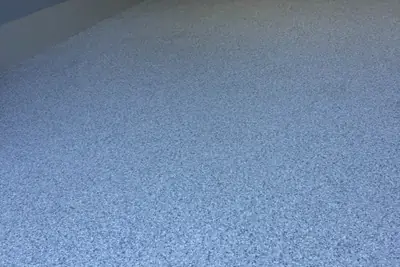
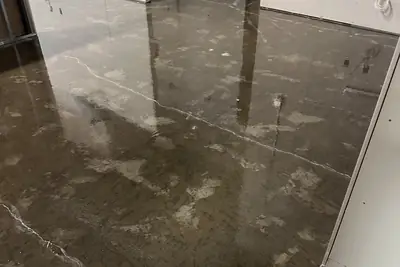
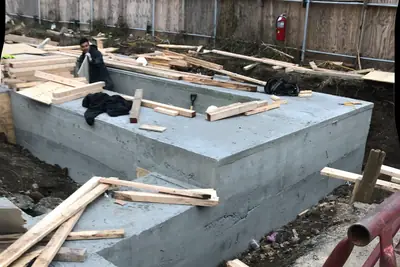
A resinous floor is only ever as good as the slab beneath it and the preparation in between. Most floor failures are bond failures, and bond is decided before any resin is opened: moisture in the slab, laitance left on the surface, contamination in an old joint. Because the concrete is our own work as well, the substrate and the coating are the same responsibility, which removes the usual argument about why a floor lifted. Epoxy systems and urethane systems are both self-performed, and the choice between them is made on what the floor has to survive rather than on what is easiest to install. We also install floor protection systems, which is the other half of the same problem: a finished floor in an occupied or still active building has to survive the trades, the traffic and the deliveries that come after it, and covering it properly is cheaper than refinishing it later.
Full details
Coatings flooring, epoxy, urethane and protective coatings, New York metropolitan area
  • Epoxy FlooringResinous epoxy floor systems over prepared concrete, from thin film seal coats through to self levelling and broadcast build ups, finished to the gloss and slip resistance the space needs.
  • Urethane FlooringUrethane and urethane cement floor systems where the floor has to take thermal shock, impact or chemical exposure that would take an epoxy apart.
  • Industrial FlooringHeavy duty floors for plant, warehouse and service areas, specified for the wheel loads, cleaning regime and chemical exposure they will actually see.
  • Decorative FlooringMetallic, flake and terrazzo style resin finishes for lobbies and public space, where the floor is part of the architecture rather than a wearing surface only.
  • Protective CoatingsProtective coating systems for concrete and steel, applied where the substrate needs a barrier against water, chloride, chemical attack or abrasion.
  • Floor Protection SystemsTemporary and permanent protection for finished floors: board, sheet and coating systems that keep a completed surface intact through the trades that follow, and wear layers that take the traffic in service so the floor beneath them does not.
05

Renovation & Restoration

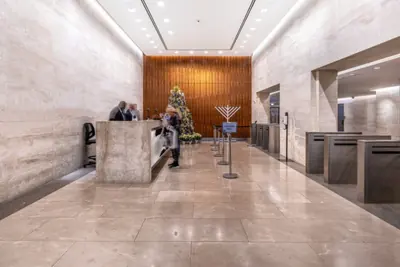
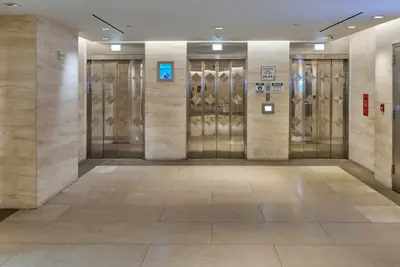
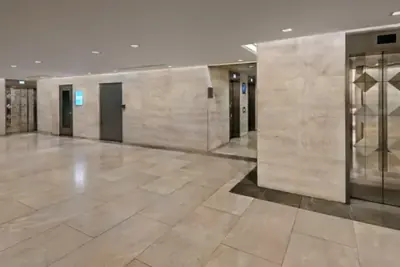
Renovation in an occupied building is a logistics problem as much as a construction one. The work is staged around tenants, deliveries and business hours, and the noisy, dusty and disruptive operations are programmed rather than simply started. Because the envelope and structural capability sit in the same company, the structural repair that turns up once a ceiling is open does not stop the job while another contractor is found. Office and retail lobbies are their own case within that: they stay in use throughout, every surface is seen from close range, and the stone, metal and glass have to be set to a tolerance the rest of the building never asks for.
Full details
World diamond lobby, world diamond tower lobby renovation, 580 Fifth Avenue at 47th Street, Manhattan
Interior elevator lobby, world diamond tower lobby renovation, 580 Fifth Avenue at 47th Street, Manhattan
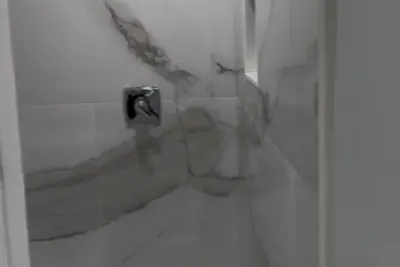
Interior marble wall, world diamond tower lobby renovation, 580 Fifth Avenue at 47th Street, Manhattan
  • Commercial RenovationsRenovation of occupied commercial buildings, staged around the people using them, with noisy and disruptive operations programmed so the building keeps working through the job.
  • Office & Retail LobbiesLobby and public area work in occupied buildings, from stone, tile and millwork through to lighting and ceilings. Sequenced around the hours the space has to stay open, with protection and clean down between shifts.
  • Interior RestorationInteriors taken back and rebuilt where finishes, layout or services have reached the end of their life, including the structural and envelope work that usually turns up once the ceilings are open.
  • Lobby RenovationsLobby work carried out while the building stays open: stone, elevator surrounds, ceilings and lighting, with the canopy and signage outside taken in the same program so the entrance is finished from the street on the same day.
  • Tenant ImprovementsFit out to a tenant's requirements and program, coordinated with base building systems and with the landlord's rules on access, hours and protection.
  • Building RestorationWhole building programs that combine envelope, structure and interior work, sequenced so the scaffold, the concrete and the finishes are not competing for the same space.
  • Interior Finish RenovationExisting finishes repaired and matched rather than stripped out, including plaster, stone, timber and architectural metal.
  • DrywallPartitions, bulkheads and ceilings framed and boarded as part of a renovation scope, taped and finished to the level the lighting and the paint specification call for, up to level five where critical light will show every imperfection.
  • PaintingPreparation and decoration as part of a renovation, with substrate preparation treated as the work and the coating treated as the result of it.
  • CeilingsSuspended, plasterboard and feature ceilings set out and installed with the services above them coordinated before the grid goes in.
  • Architectural FinishesStone, metal, timber and specialist finishes installed to the setting out the design requires, which is what decides whether a detail reads as intended.
06

Sidewalks & Curbs

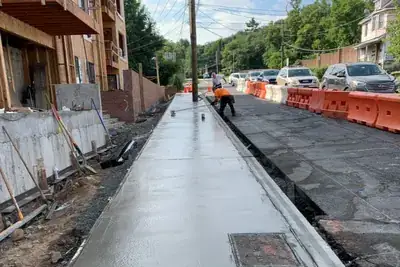
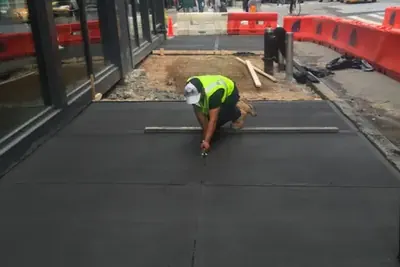
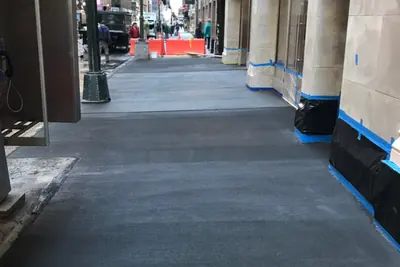
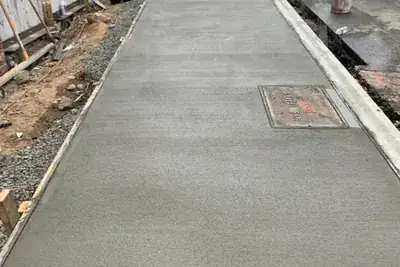
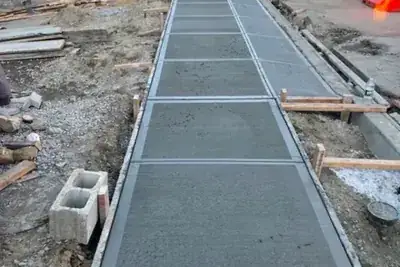
Sidewalk work is public work. It happens in a live street, with pedestrians routed around it, a DOT specification to meet and an inspector who will measure it. We are a DOT approved contractor and we self-perform the concrete, so repair, replacement, forming, pouring and finishing are all in the same hands, and the violation is carried through to removal once the bay is signed off. Thermal protection is part of the work through the cold months, because fresh concrete that is allowed to freeze before it gains strength will fail the inspection it was poured to pass.
Full details
Sidewalk new walk, sidewalk and curb work in New York
Sidewalk formwork panels, sidewalk and curb work in New York
Sidewalk finishing crew, sidewalk and curb work in New York
  • Sidewalk & Curb RepairsFull bay and partial sidewalk replacement, curbing removed and reset true to line and grade, and the heaved flags and trip hazards that generate violations. Formed, poured, finished and cured by our own concrete crews to DOT specification.
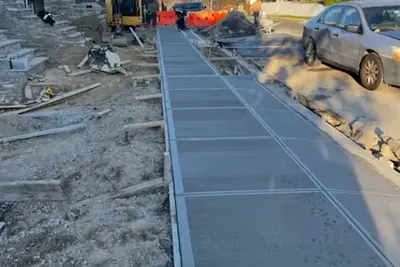
  • Sidewalk ReplacementFailed flags removed and replaced to New York City Department of Transportation specification: subbase corrected, forms set to line and grade, concrete placed and finished, and the joint pattern matched to the run either side.
  • Sidewalk Violations RemovedDefective flags, trip hazards and cracked bays replaced to the standard the inspector measures against, and the violation cleared afterwards.
  • Thermal ProtectionBlankets, enclosures and heat used to hold fresh concrete above freezing until it has gained strength, so a bay poured in cold weather passes the inspection it was poured to pass rather than being taken out and redone.
07

Site Safety & Access

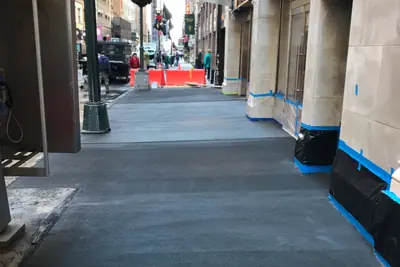
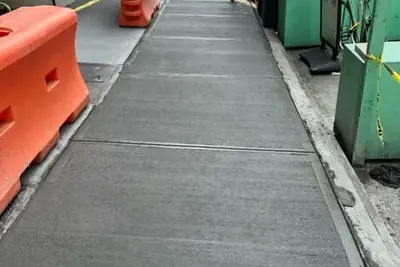
On a New York facade job the public walks underneath the work from the moment the shed goes up. Safety here is not a folder in the trailer: it is the shed that is in the right place, the netting that is actually tied off, the scaffold rigged to the engineered layout, and someone on site whose job is to stop work when something is wrong. We plan it with the scope rather than after it, and we put up the access ourselves: sidewalk bridges over the walkway, pipe scaffold up the elevation, and the rigging that gets crews and material to the face of the building safely.
Full details
Sidewalk under shed nyc, sidewalk and curb work in New York
Sidewalk shed walk, sidewalk and curb work in New York
Sidewalk midtown shed, sidewalk and curb work, Midtown East, NYC
  • Site Safety ServicesDOB site safety plans, site safety coordinators, concrete and fire safety managers, flaggers and fire watch, kept compliant with Chapter 33 and Local Law 196.
  • Site Safety ManagersDOB licensed Site Safety Managers for major buildings, 15 stories or 200 feet and up, large excavations and complex demolitions: daily site walks and logs, inspector coordination and compliance across every trade on site.
  • Safety EngineeringThe engineering behind the protection: sheds, netting, shoring and overhead protection designed for the loads and the site rather than assembled to a standard detail and hoped for.
  • Safety ManagementSite safety plans written with the scope rather than after it, and maintained as the work moves around the building, so an agency inspection is never a scramble.
  • RiggingRigging operations for material and equipment that cannot be carried in, planned for the pick, the load path and the street below, and carried out by our own crews under the permits the work requires.
  • Scaffold AccessThe access that makes facade work possible, engineered for the elevation and the loads and erected by our own crews, so it goes up when the repair is ready and comes down when the condition is corrected.
  • Pipe ScaffoldTube and clamp scaffold built to suit the elevation rather than a standard bay, tied and braced to the engineered layout, and left standing only as long as the repair behind it needs.
  • Hanging ScaffoldsOutrigger and hanging scaffold operations for elevations where the work must be reached from above, rigged, counterweighted and tied in accordance with the engineered layout.
  • Suspended ScaffoldsSuspended scaffold operations for high-rise elevations, giving crews controlled vertical access over an occupied street with material and debris handled on the same rig.
  • Sidewalk BridgesSidewalk bridges designed and erected to protect the public walking underneath the work, with lighting, parapet protection and a walkway width that keeps the pavement usable for the whole program.
08

Compliance, Expediting & Violations

Most firms do one half of this. Either they file the paperwork and subcontract the repair, or they do the repair and hand back the correspondence. We do both, which matters when a violation needs a permit pulled, work carried out and an inspection passed in that order. Each agency runs its own track, with its own process and its own inspectors, so a violation is never closed on paperwork alone: the condition has to be corrected at the building and the record cleared afterwards.
Full details
Sidewalk slabs jointed, sidewalk and curb work in New York
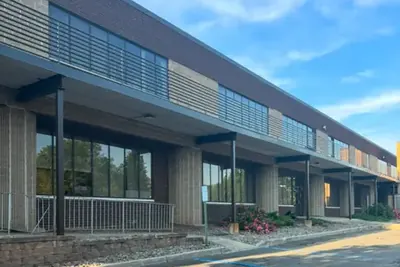
Building commercial strip, project building in New York
Building modern commercial, project building in New York
  • All Violations RemovedAny violation issued against the property taken from the open condition through to dismissal: the physical correction first, then the filing, the inspection and the paperwork that closes it out.
  • Local Law 11 (FISP) Violations RemovedThe full FISP cycle: QEWI inspection and report filing, the facade and parapet repair scope, the permits, the repair itself signed off, the violation dismissed and the sidewalk shed taken down.
  • Sidewalk Violations RemovedDefective flags, trip hazards and cracked bays replaced to the standard the inspector measures against, and the violation cleared afterwards.
  • DOB Violations RemovedDepartment of Buildings violations, from facade and structural conditions through to work without permit. Corrected at the building, then carried through the paperwork to dismissal.
  • Full-Service ExpeditingDOB, DOT, FDNY, Landmarks and DEP filings handled end to end: applications through DOB NOW, plan examination, objection resolution, permits, letters of completion and certificates of occupancy.
  • Permits PulledEvery type of New York City permit pulled and tracked: alteration, demolition, plumbing, sprinkler and standpipe, boiler, mechanical, signage, sheds and after hours variances, with renewals kept current.
09

Emergency Repairs

Emergency work is a staffing question before it is a construction question. Because the crews, the access equipment and the concrete capability are all in-house, mobilizing does not depend on another company picking up the phone. The people who make the building safe tonight are the people who build the permanent repair afterwards, and who clear the violation that follows it.
Full details
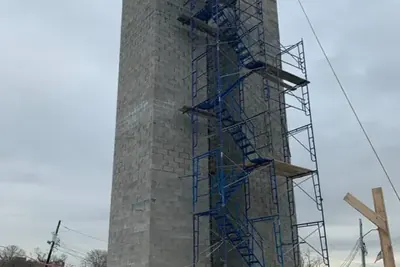
Scaffold tower pipe, scaffolding and access in New York
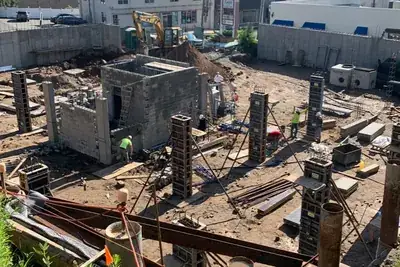
Steel columns site, steel repair in New York
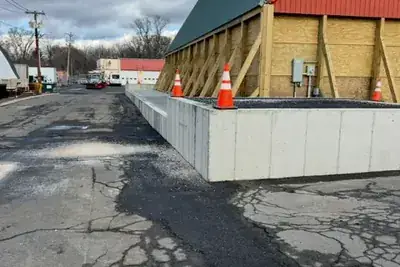
Concrete retaining wall, concrete work in New York
  • Emergency Repairs (24/7)Round the clock response for conditions that cannot wait for a bid cycle: loose masonry, failed lintels, storm damage and compromised structural elements. Make safe first, with shoring, protection and removal of anything that cannot be left in place, then the permanent repair and the violation that follows it.
Next step

Not sure which category your problem sits in?

Describe the condition and we will tell you which trade it is, and whether it is urgent.

Request a bid

Tell us about the project

Fields marked with an asterisk are required.

Project information
Service Contact information
Additional information

24/7